
N-Fab Nerf Step RS Brackets Rusting Through After Winter? Here’s How to Treat and Prevent Corrosion on Mounting Hardware
Winter road salt is the number one enemy of steel mounting hardware, and N-Fab nerf step brackets are no exception. Even though our steps themselves feature durable powder-coat or Epyx finishes, the bracket bolts and attachment points are constantly exposed to salt spray kicked up by your tires.
If you’ve noticed surface rust or flaking on your RS-series brackets after a hard winter, you’re not alone—and the good news is that early-stage corrosion is completely reversible. We’ll walk you through treating rust that’s already appeared, then show you how to protect those brackets for the long haul so next winter doesn’t leave the same damage behind.
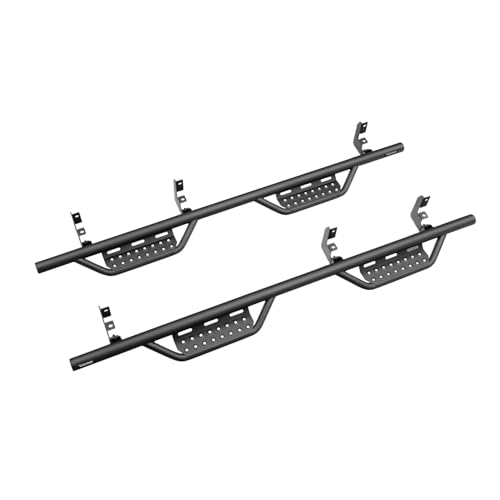
Why RS Brackets Rust Faster Than the Steps Themselves
The steps on your N-Fab rig carry a thick powder-coat or Epyx coating that shields the underlying steel from moisture and salt, but the bracket hardware—especially the bolts, washers, and frame-contact surfaces—often ships with a thinner zinc plating that wears down quickly under road-salt exposure.
Once that zinc layer is compromised, bare steel underneath begins to oxidize. The problem accelerates in wet climates or anywhere municipal salt trucks run heavily from December through March.
If your brackets show orange or brown surface rust but the metal beneath is still solid, you’re catching the issue early. Deep pitting or holes mean the rust has already eaten through the steel, and at that point replacement hardware is the only safe option.
How to Remove Surface Rust from Bracket Hardware Without Damaging Threads
Cleaning and Wire-Brushing
Start by spraying the affected bolts and bracket surfaces with a penetrating oil—let it soak for 15 minutes. Use a stainless-steel wire brush to scrub away loose rust; for bolt threads, a thread chaser or tap-and-die set ensures you don’t mangle the grooves you’ll need to torque the bracket back down.
If the rust is stubborn, a rust-converting gel will chemically neutralize the oxidation and leave a paintable black coating. These products contain tannic acid or phosphoric acid that reacts with iron oxide—apply it, wait the recommended dwell time (usually 20-30 minutes), then wipe clean.
Chemical Rust Removers
For heavily corroded hardware that you can remove from the truck, soak the pieces in a citric-acid bath or a commercial rust remover overnight. Rinse thoroughly and dry immediately to avoid flash rusting.
Once the metal is clean and dry, you’re ready to apply a protective coating—but only if the surface is completely oil-free. Wipe everything down with isopropyl alcohol or acetone before moving to the next step.
Coating Options That Actually Stop Rust from Coming Back
The best long-term solution for bracket hardware is a two-part approach: a rust inhibitor followed by a durable topcoat.
Start with a corrosion-inhibiting primer designed for bare metal—these products are formulated to bond directly to steel and block moisture penetration. Spray or brush on a thin coat, let it cure per the manufacturer’s instructions, then follow with a high-solids enamel or epoxy topcoat.
For bolts and threaded hardware, anti-seize compound serves double duty: it prevents galling when you torque the fastener, and it creates a barrier against salt intrusion. Apply a thin layer to threads and under bolt heads before reassembly.
If you’re in a heavy-salt region, consider upgrading to stainless-steel replacement hardware for your brackets. Grade 304 or 316 stainless won’t rust under normal road-salt exposure, and the bolts are available in the same thread pitch and length as the factory zinc-plated originals.

Maintenance Schedule to Keep Brackets Clean All Winter
Treating rust once is useful, but preventing it in the first place saves time and money. We recommend a simple monthly rinse-and-inspect routine if you drive in snow-belt conditions.
Once a month during winter, hose down the underside of your truck—focus on the rocker panels and step brackets where salt slush accumulates. A garden hose with a spray nozzle is enough; you don’t need a pressure washer that might strip protective coatings.
After rinsing, dry the brackets with a shop towel and apply a light mist of fluid-film or lanolin-based rust preventative. These products displace water and leave a waxy film that resists salt spray without interfering with bolt torque.
In spring, after the last salt truck has run, do a full inspection: pull each bracket bolt, clean the threads, check for any new rust spots, and reapply anti-seize before torquing everything back to spec. That annual deep-clean catches corrosion before it becomes structural.
Keeping Your Step Hardware Rust-Free for the Long Haul
Nerf step brackets rusting is a maintenance issue, not a design flaw—any steel hardware exposed to road salt will corrode without regular care. The key is catching surface rust early, treating it with the right products, and establishing a simple cleaning routine that stops oxidation before it starts.
Monthly winter rinses, annual deep-cleans, and quality rust-inhibiting coatings will keep your N-Fab brackets looking and performing like new for the life of the truck. If you’re already dealing with heavy corrosion, don’t wait—treat it now before the next winter brings another round of salt spray.
Common Questions About Rust on Nerf Step Mounting Brackets
You must remove loose rust before painting. Paint applied over flaking oxidation will peel off within weeks, taking more of the underlying coating with it.
Use a wire brush or rust converter to get down to solid metal, then prime and paint. Skipping the cleaning step wastes both time and materials.
Surface rust on bracket faces won’t compromise strength, but rust that has pitted through bolt shanks or frame-contact points can. If a bolt shows deep corrosion grooves or the bracket metal has thinned noticeably, replace the hardware before it fails under load.
A bracket that snaps while you’re stepping onto the truck can cause injury, so treat rust as a safety issue, not just cosmetic.
Monthly application is ideal in heavy-salt climates. If you drive daily on salted roads, consider a quick spray every two weeks.
The protective film wears off as you drive, so consistent reapplication is more effective than a single heavy coat at the start of winter.
Yes, if you plan to keep the truck long-term and live in a salt-heavy area. Stainless hardware costs three to four times as much as zinc-plated bolts, but it eliminates the need for annual rust treatment.
Grade 304 stainless is sufficient for most applications; upgrade to 316 only if you’re in a coastal environment with salt air year-round.
Yes. The process is identical: remove loose rust, apply a converter or inhibitor, then topcoat with enamel or epoxy.
Frame rails are often bare steel or painted with a thin factory coating, so they benefit from the same protective treatment as the bracket hardware itself.
A rust converter chemically changes iron oxide into a stable black coating that you can paint over. It doesn’t remove rust; it neutralizes it in place.
A rust remover dissolves the oxidation entirely, leaving bare metal. Removers require rinsing and immediate priming to prevent flash rusting, while converters leave a paintable surface with no rinsing step.