
Professional Mounting Brackets & Hardware for Vehicle Accessories
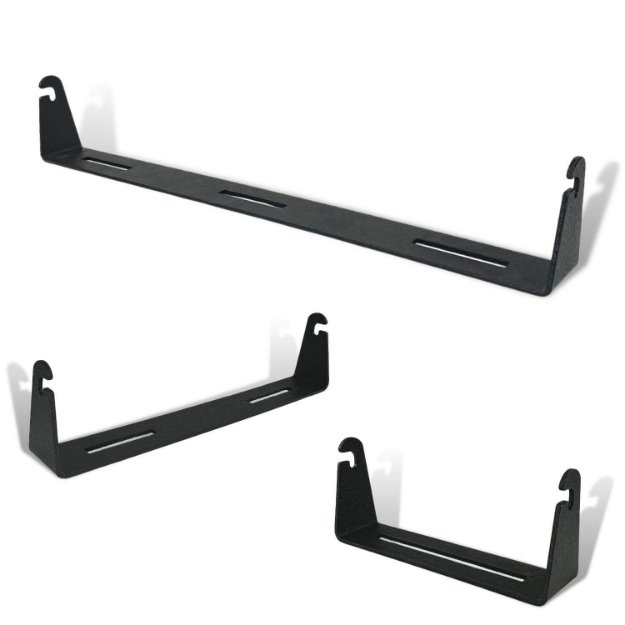
Universal Light Bar Mounting Brackets
Heavy-duty steel construction brackets designed for secure light bar installation on various vehicle platforms. Features adjustable positioning and corrosion-resistant coating for long-lasting performance in demanding conditions.
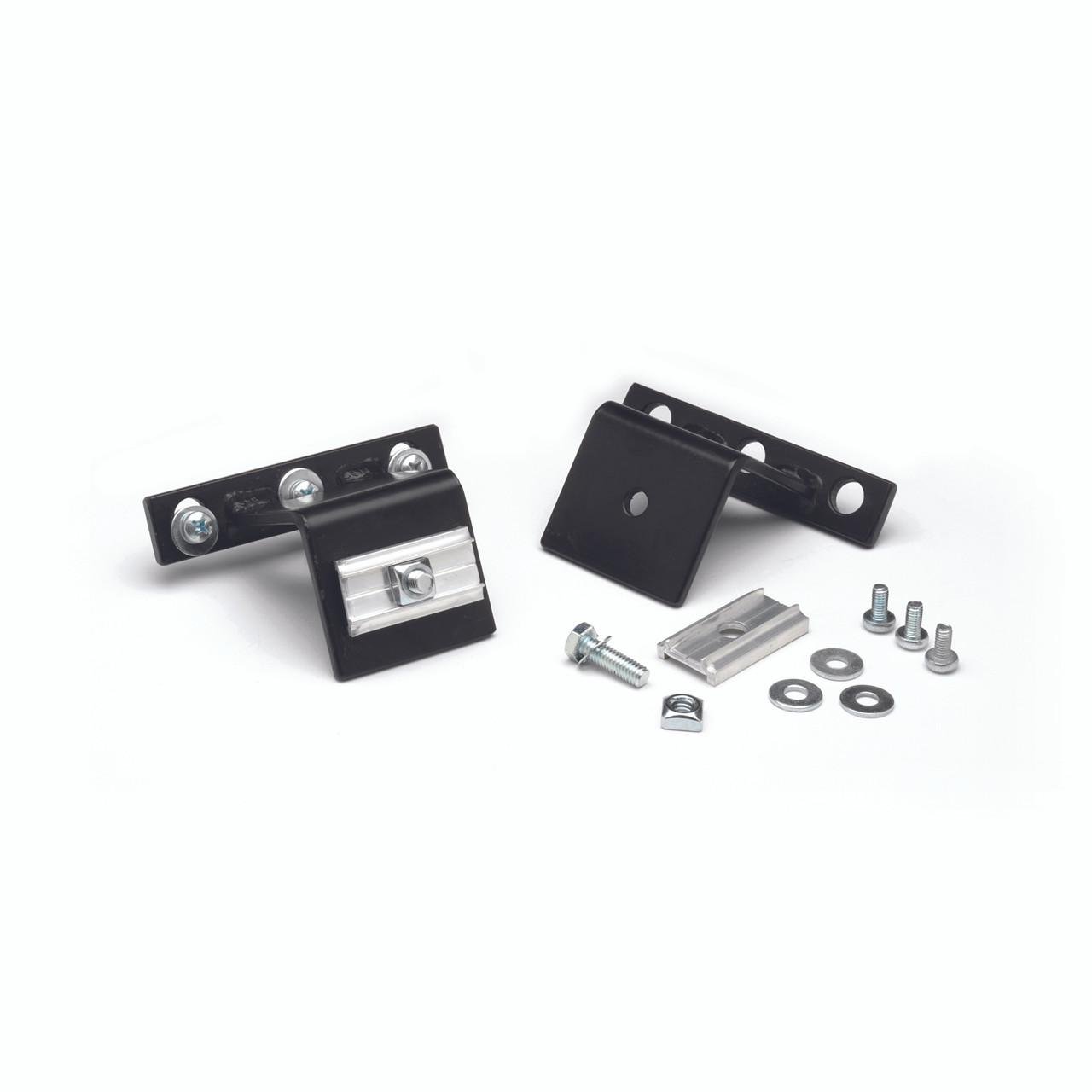
Roof Rack Mounting Hardware Kit
Complete hardware solution for roof rack installations featuring precision-engineered brackets and fasteners. Includes all necessary components for secure mounting with vehicle-specific compatibility and weatherproof design for outdoor durability.
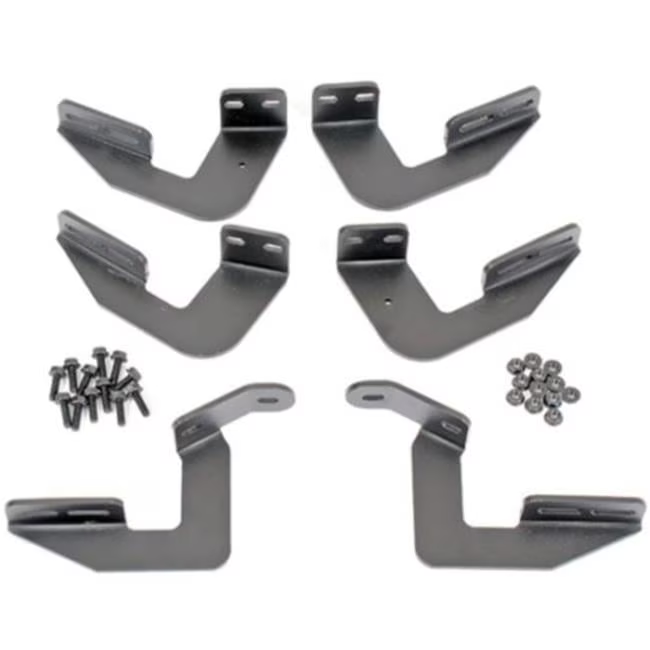
Side Step Mounting Brackets
Engineered mounting brackets specifically designed for side step and running board installations. Features reinforced construction points and integrated drainage channels to handle heavy loads while maintaining structural integrity.
Understanding N Fab Mounting Brackets and Their Applications
Professional vehicle accessory installation requires reliable mounting solutions that can withstand demanding conditions while maintaining structural integrity. N fab mounting brackets represent the foundation of secure accessory installation, providing the critical connection points between your vehicle and aftermarket components.
These specialized mounting systems are engineered to accommodate a wide range of accessories, from heavy-duty light bars to roof-mounted cargo systems. The precision manufacturing process ensures that each bracket meets strict tolerances for proper fit and optimal load distribution across mounting points.
Critical Design Features
The engineering behind n fab mounting brackets focuses on several key performance characteristics that distinguish professional-grade hardware from standard alternatives. Load-bearing capacity stands as the primary consideration, with each bracket designed to handle specific weight limits while maintaining safety margins.
Material selection plays a crucial role in long-term performance, with high-grade steel construction providing the strength necessary for heavy accessory loads. The mounting interface design ensures proper stress distribution across vehicle attachment points, preventing concentrated loading that could compromise structural integrity.
Installation Compatibility Standards
Modern n fab mounting brackets incorporate universal design principles that accommodate multiple vehicle platforms while maintaining optimal fit characteristics. This approach reduces inventory complexity while ensuring reliable performance across different applications.
The standardized bolt patterns and adjustable positioning systems allow for precise alignment during installation. Professional installers appreciate the consistency in mounting hole spacing and hardware specifications that streamline the installation process across different accessory types.
Essential Hardware Components for Professional Installation
Complete mounting systems require more than just brackets to achieve professional-grade installations that meet safety and performance standards. The hardware package includes carefully selected fasteners, spacers, and reinforcement components that work together to create secure mounting solutions.
Grade 8 bolts provide the tensile strength necessary for high-load applications, while specialized washers distribute clamping forces evenly across mounting surfaces. Lock washers and thread-locking compounds ensure that connections remain tight despite vibration and thermal cycling encountered during normal vehicle operation.
Fastener Selection and Specifications
Professional n fab mounting brackets utilize specific fastener grades that match the structural requirements of each application. Bolt diameter and thread pitch specifications are carefully matched to the intended load requirements and mounting surface characteristics.
Stainless steel hardware components resist corrosion in harsh environmental conditions, maintaining structural integrity even after extended exposure to moisture and road salt. The precision threading ensures proper torque specifications can be achieved consistently during installation.
Specialized Installation Components
Reinforcement plates distribute mounting loads across larger surface areas, preventing localized stress concentrations that could lead to mounting point failure. These components are particularly important when installing accessories on vehicles with lightweight construction materials.
Vibration dampening elements help reduce noise transmission and prevent loosening of mounting hardware over time. The same attention to detail found in premium light bar installations carries through to every mounting bracket system component.
Load Capacity and Structural Engineering Principles
Understanding load capacity ratings is essential for safe accessory installation and long-term system reliability. N fab mounting brackets undergo rigorous testing to establish safe working loads under various stress conditions, including static loading, dynamic forces, and fatigue cycling.
The engineering analysis considers not only the maximum weight of mounted accessories but also the additional forces generated by vehicle movement, wind loading, and operational stresses. Safety factors built into the design provide reliable performance margins even under extreme conditions.
Static vs Dynamic Load Considerations
Static load ratings represent the maximum weight that n fab mounting brackets can support under stationary conditions. However, real-world applications involve dynamic forces that can multiply effective loading through acceleration, braking, and cornering forces.
Dynamic load analysis accounts for these multiplier effects, ensuring that mounting systems remain secure even during aggressive driving conditions. The structural design incorporates reinforcement in critical stress areas to handle these variable loading conditions.
Safety Factor Implementation
Professional-grade mounting systems incorporate substantial safety factors that provide reliable performance margins beyond normal operating conditions. These safety margins account for manufacturing tolerances, installation variables, and unexpected loading scenarios.
The conservative approach to load ratings ensures that n fab mounting brackets maintain structural integrity even when subjected to loads approaching their theoretical limits. This engineering philosophy parallels the robust construction found in professional roof rack systems designed for commercial applications.
Installation Best Practices and Professional Techniques
Proper installation technique is critical for achieving the full performance potential of professional mounting systems. The installation process requires attention to detail in surface preparation, hardware torquing, and alignment verification to ensure optimal results.
Surface preparation involves cleaning mounting areas and applying appropriate thread-locking compounds where specified. Proper torque specifications must be followed precisely, as under-torquing can lead to loosening while over-torquing may damage threads or mounting surfaces.
Pre-Installation Planning
Successful installations begin with comprehensive planning that considers accessory placement, vehicle-specific mounting points, and potential interference with existing components. Template verification ensures proper alignment before committing to final hole locations.
Mounting point inspection identifies any reinforcement requirements or potential structural concerns that should be addressed before installation. The same systematic approach used for tire carrier installations applies to all professional mounting bracket applications.
Torque Specifications and Quality Control
Each fastener in the mounting system has specific torque requirements that must be achieved for optimal performance. Torque specifications account for thread pitch, material properties, and intended clamping force requirements.
Quality control procedures include systematic torque verification and alignment checks throughout the installation process. Post-installation inspection confirms that all components are properly seated and secured according to manufacturer specifications.
Compatibility with Vehicle Accessory Systems
Modern vehicle accessory systems often involve multiple components that must work together harmoniously without interference or compromised performance. N fab mounting brackets are designed with system integration in mind, ensuring compatibility with various accessory combinations.
The modular design approach allows for flexible configuration options that accommodate different accessory layouts while maintaining structural integrity. Standardized mounting interfaces facilitate future accessory additions or modifications without requiring complete system redesign.
Multi-Accessory Integration
Vehicles equipped with multiple accessories require careful coordination of mounting systems to prevent interference and maintain optimal performance. The engineering behind n fab mounting brackets considers common accessory combinations and provides solutions that work effectively together.
Integrated wiring management features help organize electrical connections for powered accessories, maintaining clean installations that resist moisture intrusion. These organizational features complement the robust construction found in complete bed rack systems designed for multi-accessory applications.
Future Expansion Capabilities
Well-designed mounting systems accommodate future accessory additions without requiring complete reinstallation. The modular approach allows users to expand their accessory systems gradually while maintaining the structural integrity of existing installations.
Standardized connection points and consistent hardware specifications ensure that new accessories can be integrated seamlessly with existing mounting infrastructure. This forward-thinking design philosophy provides long-term value and installation flexibility.
Maintenance and Long-Term Performance Optimization
Professional mounting systems require periodic maintenance to ensure continued performance and safety throughout their service life. Regular inspection schedules help identify potential issues before they compromise system integrity or safety.
Maintenance procedures include torque verification, hardware inspection, and corrosion assessment. These routine checks are particularly important for vehicles operated in harsh environments where accelerated wear may occur.
Inspection and Maintenance Schedules
Regular inspection intervals should be established based on vehicle usage patterns and environmental conditions. High-use applications or harsh environmental exposure may require more frequent inspection and maintenance procedures.
Torque verification ensures that mounting hardware maintains proper clamping force despite vibration and thermal cycling. Corrosion inspection identifies areas where protective coatings may need attention to prevent structural degradation.
Environmental Protection Strategies
Protective coatings on n fab mounting brackets provide corrosion resistance, but these coatings require maintenance to ensure long-term effectiveness. Touch-up procedures help maintain protective barriers against moisture and chemical exposure.
Drainage considerations prevent water accumulation in mounting areas where corrosion could develop. The same environmental protection principles that guide skid plate design apply to all mounting bracket applications where environmental exposure is a concern.
Performance Optimization Techniques
Optimizing mounting system performance involves more than just proper installation and maintenance. Accessory placement and loading considerations can significantly impact system longevity and performance characteristics.
Load distribution techniques help maximize the service life of mounting components by ensuring that forces are distributed evenly across all mounting points. Strategic use of reinforcement components can further enhance system capability when operating near design limits.
Choosing the Right Mounting Solution for Your Vehicle
Professional vehicle accessory installation depends on reliable mounting solutions that provide safety, durability, and long-term performance. N fab mounting brackets represent the engineering expertise and quality construction necessary for demanding applications where failure is not acceptable.
The investment in professional-grade mounting hardware pays dividends through reliable performance, reduced maintenance requirements, and the confidence that comes with properly engineered solutions. Whether installing a single accessory or building a comprehensive accessory system, the foundation of quality mounting brackets ensures optimal results.
Proper selection of n fab mounting brackets requires consideration of load requirements, environmental conditions, and compatibility with existing vehicle systems. Working with experienced professionals during the selection and installation process helps ensure that your mounting system will provide years of reliable service while maintaining safety margins under all operating conditions.
The combination of quality materials, precision engineering, and comprehensive support makes professional mounting systems the preferred choice for serious vehicle enthusiasts and commercial applications. With proper installation and maintenance, these mounting solutions provide the reliability and performance necessary for demanding automotive accessory applications.